
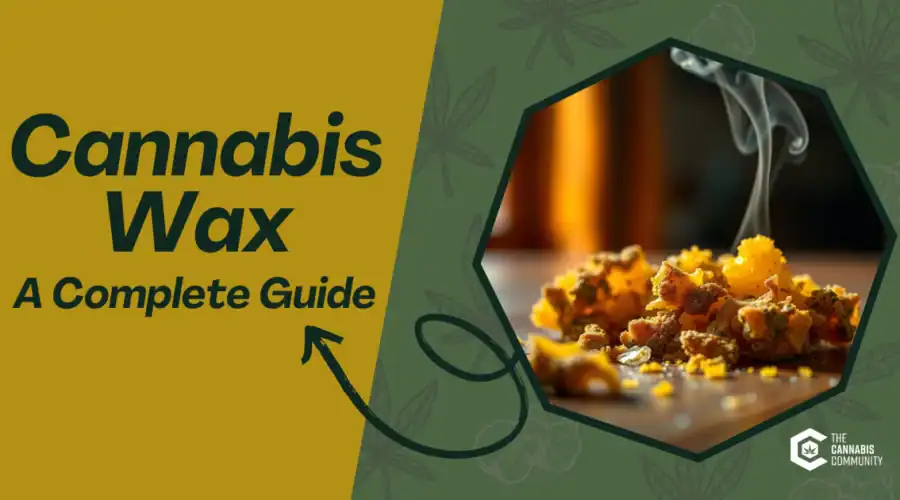
The Ultimate Guide to Cannabis Wax: Benefits, Uses, and Safety Tips
Table of Contents

Cannabis wax has quickly become one of the most talked-about types of cannabis concentrates for good reason. It delivers a high-potency experience in a small amount, adapts to multiple consumption methods, and preserves the aromatics and flavor that many consumers value in premium cannabis products. Whether you’re exploring concentrates for the first time or refining your understanding, learning what cannabis wax is and how to use it responsibly helps ensure a positive and informed experience.
This guide walks through the benefits, uses, therapeutic applications, and essential safety considerations of cannabis wax, all in one place.
What is Cannabis Wax?
Cannabis wax is a concentrated extract made by removing the plant material and isolating cannabinoids (like THC or CBD) along with the terpenes that give each cultivar its aroma and effect profile. What remains is a wax-like, often sticky, concentrate that is typically vaporized or dabbed.
Wax is usually produced using solvent extraction methods such as butane or CO2. When properly purged and processed, these methods create a clean, high-potency product with terpene retention intact. Because concentrates contain significantly more cannabinoids than traditional flower, even a small amount can deliver a notably strong effect.
Compared with other concentrates, wax is known for its pliable texture, which makes it easy to handle. The extraction method, heat, agitation, and post-processing steps determine the texture and also influence how cannabinoids and terpenes are preserved.

What Are the Different Types of Cannabis Wax Available?
Cannabis wax refers to a category of concentrates with a soft, opaque, and often pliable texture. These waxes are typically made through hydrocarbon extraction (like BHO – butane hash oil) and are categorized based on how they are processed and their resulting consistency. Here are the primary types of cannabis wax:
1. Budder
Budder is a soft, creamy concentrate with a texture similar to cake frosting or butter. Budder is typically whipped during purging, which introduces air and helps preserve a robust terpene profile.
2. Crumble
Crumble is dry and brittle with a honeycomb-like structure. Crumble is purged at lower temperatures for longer, which creates a breakable, easy-to-dose concentrate. It’s known for being easy to use and store.
3. Sugar Wax
Sugar wax has a grainy, crystalline texture that resembles wet sugar. This texture forms when THCA crystallizes in a terpene-rich extraction, offering a strong balance of potency and flavor.
4. Honeycomb Wax
Honeycomb wax, named for its sponge-like appearance, is another dry wax variation. It’s similar to crumble but features a more aerated, porous structure. It breaks apart cleanly and stores well.
5. Live Resin Wax
Live resin wax is made from fresh-frozen cannabis rather than dried flower, resulting in superior terpene retention and a vivid aroma. Live resin wax may appear in budder or sugar textures.

What Are the Benefits of Using Cannabis Wax?
Cannabis wax offers a range of benefits that make it a popular choice among both recreational and medical cannabis consumers. Its primary appeal lies in its high potency. Wax concentrates typically contain 60–90% THC, significantly higher than traditional cannabis flower. This allows consumers to achieve desired effects with smaller doses, making it both efficient and cost-effective over time.
The fast-acting nature of wax is another key advantage. Because it’s consumed through methods like dabbing or vaporizing, the cannabinoids are rapidly absorbed into the bloodstream, delivering a quick onset of effects. This is especially beneficial for medical consumers who need fast relief from symptoms such as chronic pain, nausea, or anxiety.
“High potency doesn’t have to mean a harsh experience. When wax is paired with a properly engineered vaporizer, you get intensity with smooth delivery, not scorched terpenes and wasted material.” explains Dana E. Shoched, founder of O2VAPE®
In addition to potency, cannabis wax often retains a rich terpene profile, depending on the extraction method and source material. These terpenes contribute to enhanced flavor and aroma, offering a more flavorful and aromatic experience that appeals to connoisseurs and casual consumers alike.
Another major benefit is versatility. Cannabis wax can be used in multiple ways, including:
- Dabbing for intense, immediate effects
- Vaporizing with compatible pens or devices for discretion and ease
- Infusing into edibles (after decarboxylation) for longer-lasting relief
This flexibility allows consumers to tailor their experience based on their lifestyle, preferences, and therapeutic needs.
What Therapeutic Benefits Does Cannabis Wax Offer?
Because wax contains a concentrated amount of cannabinoids, it may offer meaningful relief for qualifying medical conditions. Patients commonly turn to concentrates for:
- Chronic pain
- Anxiety or panic symptoms
- Nausea or appetite loss
- Inflammation or muscle spasm
- Migraine or acute episodes that require rapid relief
The rapid delivery makes wax particularly useful for individuals who need fast-acting symptom control.
Terpenes also play a supporting role. Depending on the profile, certain waxes may offer calming, uplifting, anti-inflammatory, or neuroprotective benefits, allowing consumers to choose intentionally based on desired therapeutic effect.

Can Cannabis Wax Provide More Potent Effects Than Other Forms?
Yes. Because of its concentrated nature, wax typically delivers more potent psychoactive and physiological effects than flower and many other extract forms. Small doses can produce immediate, noticeable results, which is why correct dosing and pacing are important.
The preserved terpenes also contribute to the “entourage effect,” where cannabinoids and terpenes work together to shape the experience. For some users, this synergy makes wax feel more effective and efficient than comparable doses of other cannabis products.
“People often assume more vapor equals better results. In reality, precision & control with concentrates will provide the best results. Especially with extracts that can reach 90% potency.” says Shoched.
Extraction Process
Wax is most commonly produced using hydrocarbon (butane) extraction, ethanol extraction, or CO2 extraction. Each technique has its own strengths and considerations. Butane hash oil (BHO) extraction is widely used because it can produce a highly potent concentrate that preserves a rich terpene profile, as long as the final product is properly purged of residual solvents. CO2 extraction is often considered a “cleaner” method because it does not leave behind solvent residue when performed correctly, and it can yield a high-quality product with good cannabinoid retention. Ethanol extraction is also effective and scalable, though it typically requires additional refinement and filtration steps to remove plant compounds that are pulled along with the cannabinoids.
Once the initial extraction is complete, the concentrate usually goes through winterization, a process that removes fats, lipids, and waxes to improve purity and consistency. After winterization, the extract is purged under vacuum to evaporate any remaining solvents and ensure the final product is safe for inhalation. The precision of these finishing steps has a direct impact on the safety, flavor, potency, and overall quality of the final wax product.

How to Use Cannabis Wax Safely, Effectively, and Responsibly
Cannabis wax is a highly potent concentrate that offers fast-acting and intense effects, but using it safely and effectively requires the right tools, methods, and mindset, especially for those new to concentrates.
Best Consumption Methods
- Dabbing: Uses a heated nail or banger on a dab rig to instantly vaporize wax. Produces intense and fast-acting effects. Common among experienced users.
- Vaporizing: Wax-compatible vaporizers and pens offer a cleaner, more discreet, and temperature-controlled option with minimal setup.
- Edibles: Wax can be infused into food after proper decarboxylation. Effects are delayed but long-lasting, which makes it ideal for users who prefer not to inhale.
Each method has its own pros and cons, and consumers should choose based on personal preference, experience level, and desired effects.
Dosing Cannabis Wax Correctly
Because cannabis wax can contain several times the THC concentration of traditional flower, conservative dosing is critical, especially for new concentrate consumers. A very small amount (often around 0.1–0.2 grams for beginners, and sometimes even less) is typically enough to produce noticeable effects. After taking a dose, wait and allow the effects to settle before considering additional consumption. Concentrates work quickly when inhaled, so it’s better to assess gradually than to overshoot.
Practical guidance for safer dosing:
- Know the potency before you start. Read labels or ask your dispensary for THC percentage and recommended serving size.
- Increase slowly and intentionally. Add only small increments until you understand your personal response.
- Track your experience if consuming for symptom relief. Keeping notes on dosage, timing, and effects can help identify the most effective and comfortable range over time.
- Avoid combining wax with alcohol or sedating substances unless you are highly experienced as mixing can intensify effects in unpredictable ways.
- Use controlled devices when possible. Vaporizers with temperature settings or measured dabs allow for greater consistency dose to dose.
Shoched advises that “The best dose is the one you understand. Accurate wax devices and incremental dosing give you insight into your personal threshold without overdoing it.”
Approaching dosing with patience and awareness reduces the likelihood of overwhelming effects and helps build a predictable, safe routine with concentrates.
Understanding the Risks and Safety Precautions of Cannabis Wax
Cannabis wax is a potent concentrate that can offer rapid and intense effects, but it also carries specific risks that consumers must consider to ensure safe consumption. One of the main concerns is overconsumption due to its high THC content. Taking too much can lead to unwanted side effects such as anxiety, paranoia, dizziness, or increased heart rate. To minimize these risks, start with small doses — especially for beginners — and wait to gauge the effects before consuming more. A common starting dose is between 0.1 to 0.2 grams, with gradual increases based on individual tolerance.
The method of consumption also plays a role in safety. Dabbing, the most common method, involves high-temperature vaporization that can irritate the lungs if not done properly. Using clean, well-maintained equipment and avoiding excessively high temperatures can help reduce respiratory discomfort. Vaporizing with a concentrate-friendly vape pen offers a more controlled and discreet option, while infusing wax into edibles provides a longer-lasting, though slower-onset, effect. Regardless of method, always use the proper tools like dab rigs, torches, dabbers, and carb caps, and store wax in non-stick silicone containers to maintain quality.
“Responsible use means pairing high-grade material with premium equipment and verified lab testing. When all three are in place, risk drops and consistency rises dramatically.” explains Shoched.
Another risk involves product quality. Improperly extracted wax may contain residual solvents, which pose health risks. To avoid this, always buy from licensed dispensaries that test for purity and potency. In regions where cannabis is legalized, regulated markets help ensure safer products through mandatory lab testing.
Consumers should also be aware of legal considerations. Cannabis wax laws vary widely, so it’s important to understand local regulations regarding possession, purchase, and use. In legal markets, consumers benefit from safer products and clearer guidance, while in areas with ongoing prohibition, the quality and legality of cannabis wax can be uncertain and risky.

Cannabis wax continues to rise in popularity because it delivers something rare in the world of cannabis products: high potency, strong flavor, and efficient dosing in one format. For many consumers, a small amount of wax provides the same — or greater — effect than several inhalations of flower, and it does so with faster onset and far less plant material inhaled. When paired with the right consumption method and an appropriate dose, wax can offer a fast, clean, and long-lasting experience that appeals to both recreational users seeking intensity and medical patients looking for reliable, rapid symptom relief.
As with any concentrated product, the key to a positive experience is knowledge. Understanding what cannabis wax is, how it is made, how it should be stored and consumed, and how to use it responsibly allows consumers to make choices that reflect their goals, tolerance level, health needs, and lifestyle preferences. A well-informed approach leads not only to better outcomes, but to safer, more confident, and more satisfying use over time.

Frequently Asked Questions
1. What is cannabis wax, and how is it made?
Cannabis wax is a highly concentrated cannabis extract known for its sticky, wax-like texture and high THC content. It’s made through solvent-based extraction methods like butane hash oil (BHO) or CO2 extraction, which isolate cannabinoids and terpenes from the plant material.
2. How does cannabis wax differ from other concentrates?
Cannabis wax is softer and more pliable than concentrates like shatter or oil. Its texture ranges from creamy budder to brittle crumble, depending on the production process. Wax generally offers high potency and rich flavor due to its terpene retention.
3. What are the different types of cannabis wax?
The main types include budder (creamy), crumble (dry and brittle), sugar wax (grainy), honeycomb wax (porous), and live resin wax (made from fresh-frozen cannabis). Each type varies in consistency, terpene content, and flavor.
4. What are the benefits of using cannabis wax?
Benefits include fast-acting effects, high potency (often 60–90% THC), enhanced flavor, and versatile consumption methods like dabbing, vaporizing, or infusion into edibles.
5. Is cannabis wax safe to use?
Cannabis wax is safe when sourced from licensed dispensaries that test for purity and residual solvents. However, due to its high potency, new consumers should start with small doses to avoid overwhelming effects.
