On this page
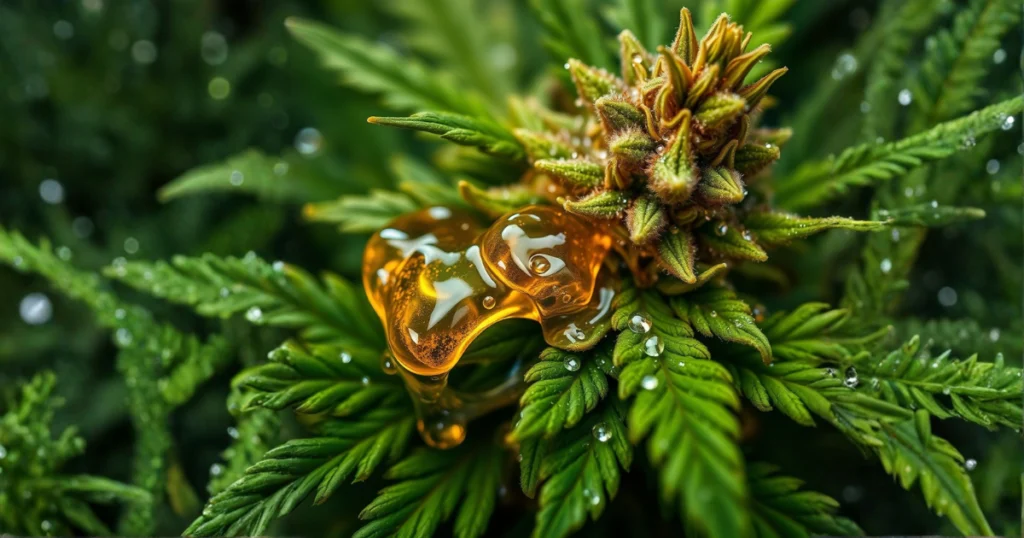
When it comes to cannabis consumption, one product stands out: cannabis resin. Known for its potency and versatility, cannabis resin that’s well-crafted has become a staple within the cannabis community. Whether you’re new to different types of cannabis concentrates or a seasoned consumer, understanding how resin is made from cannabis, especially the trichomes of a cannabis plant, is key.
Cannabis resin extracted from dried cannabis flowers or fresh plants gives rise to some of the most popular forms of cannabis concentrate, like hash, live resin sauce, and resin shatter. These different forms of concentrated cannabis offer a wide range of cannabis experiences, from smooth and flavorful to intensely potent.
This guide digs into the various aspects of cannabis resin, including its definition, production methods, types, uses, effects, and storage tips. By understanding these elements, you can enhance your cannabis experience and make informed decisions about your own personal cannabis consumption preferences.
What Is Cannabis Resin?
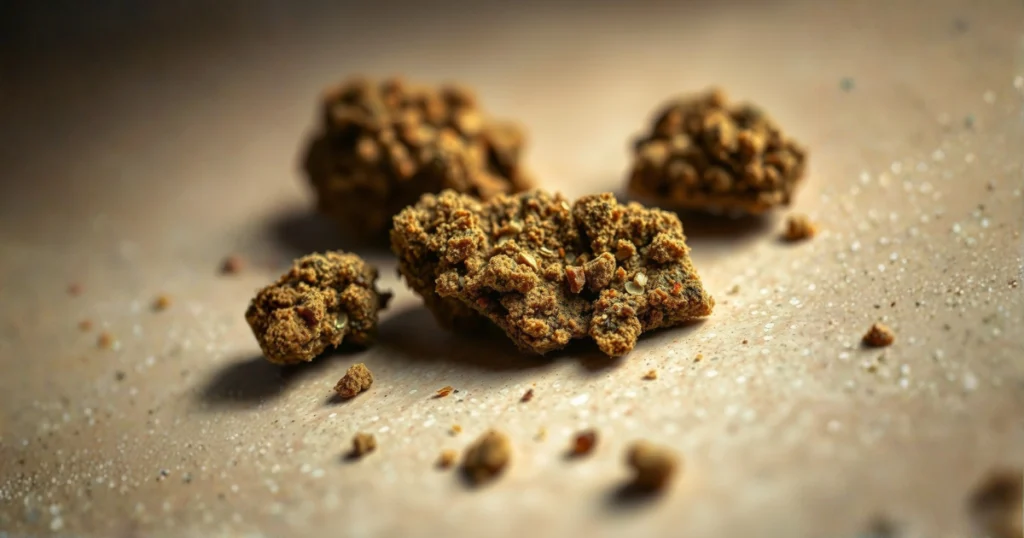
Cannabis resin is a sticky substance produced by the resin glands of the cannabis plant, known as trichomes. It contains a rich concentration of cannabinoids, terpenes, and other compounds, making it a sought-after form of cannabis concentrate. Resin is typically extracted from high-quality cannabis flower, capturing the plant’s essential oils and flavors. This concentrated form of cannabis is consumed in various ways, from smoking and vaping to incorporating it into edibles.
Cannabis resin is not only the essence of the cannabis plant but also a representation of its medicinal and recreational properties. The resin is a treasure trove of cannabinoids like THC and CBD, offering psychoactive and therapeutic effects. The unique combination of cannabinoids and terpenes found in cannabis resin contributes to its rich flavors and aromas. For those interested in different types of cannabis concentrates, resin is an option that showcases the full spectrum of cannabis compounds. Overall, cannabis resin serves as an essential concentrate in the cannabis industry and provides consumers with a potent way to consume cannabis.
How Is Cannabis Resin Made?
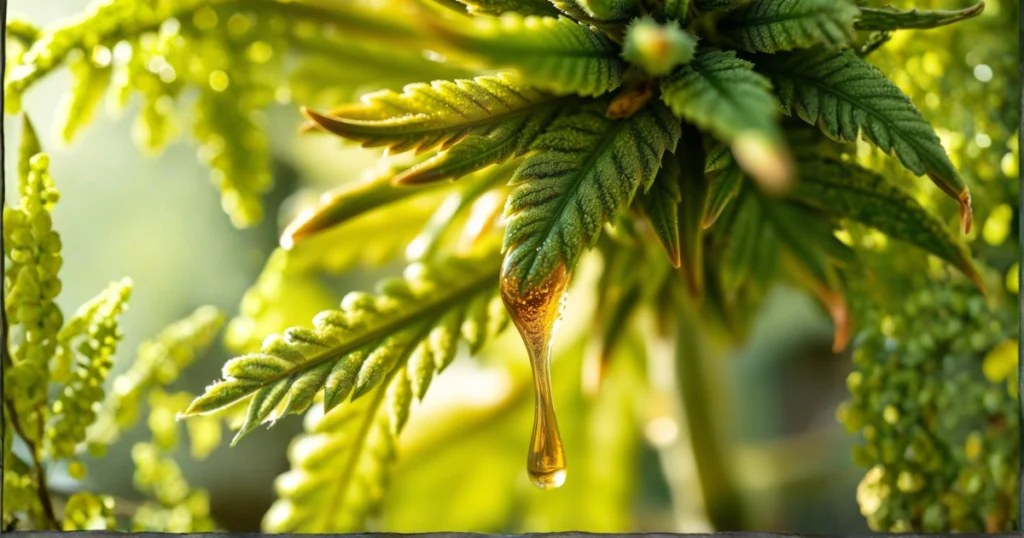
Cannabis resin extraction can be done through different methods, broadly classified into solventless and solvent-based techniques. Solventless methods preserve the natural purity of the resin and are favored by consumers seeking a more traditional or holistic experience. These include dry sifting, which uses fine mesh screens to mechanically separate trichomes from the plant and ice water extraction, which separates trichomes from the plant material by agitating the cannabis flower in ice-cold water.
On the other hand, solvent-based extraction methods use chemicals to dissolve cannabinoids and terpenes, offering higher yields and potency but requiring careful post-processing to remove residual solvents. Common techniques include butane hash oil (BHO) extraction, which utilizes solvents to dissolve the resin and isolate the desired compounds; CO₂ extraction, which uses supercritical carbon dioxide for a clean, tunable process; and ethanol extraction, which involves soaking the cannabis plant material in ethanol to dissolve cannabinoids and terpenes. Each extraction process has its advantages, affecting the flavor, potency, and overall quality of the resin produced.
The extraction process is vital for creating high-quality cannabis resin. By employing methods that carefully preserve the delicate compounds within the plant, producers can offer a resin that retains the full spectrum of cannabinoids and terpenes. Heat and pressure can also be used to extract resin, leading to different textures and consistencies. Understanding your extraction method options is essential for both producers and consumers to know what to expect from their cannabis products. The way cannabis resin is made directly impacts its effects, flavor profile, and suitability for various consumption methods.

Types of Cannabis Resin
There are several types of cannabis resin, each with unique characteristics and effects. Live resin is a popular kind that is made from fresh, uncured cannabis flowers, preserving the plant’s natural terpenes and delivering a flavorful experience. This type of resin is often favored for its aromatic qualities and potent effects. Other kinds of cannabis resin include hash and hash oil, which are created through different extraction methods. Hash is typically produced by compressing collected trichomes, while hash oil involves solvent extraction to yield a thicker, more concentrated form of cannabis resin.
Understanding the different types of cannabis resin is important for consumers looking to explore the wide array of cannabis concentrates available. Each type of resin offers distinct flavors, aromas, and effects, allowing consumers to tailor their cannabis experience according to their preferences. For instance, live resin is celebrated for its vibrant terpene profile, while traditional hash may appeal to those who enjoy a more earthy and robust flavor. As the cannabis industry evolves, new types of resin products continue to emerge, providing exciting options for cannabis enthusiasts.
How to Use Cannabis Resin
There are numerous ways to consume cannabis resin, making it a versatile option for consumers. One of the most common methods is smoking resin, either by incorporating it into a joint or bowl or using a dab rig for concentrated hits. Dabbing allows consumers to experience the full potency of the resin, delivering a rapid onset of effects due to the concentrated nature of the extract. Vaping is another popular way to consume cannabis resin, as it provides a cleaner and more flavorful experience without the combustion associated with smoking.
“Not all vaporizers will give showcase resin the same way. Consistency and clean heating matter just as much as potency. Look for hardware that protects flavor with high quality materials and even, controlled vaporization.” advises Dana E. Shoched, founder of O2VAPE®
In addition to smoking and vaping, cannabis resin can also be used in edibles, tinctures, or topicals. When incorporated into food products, cannabis resin can offer long-lasting effects and a more gradual onset compared to smoking. For anyone looking for alternative consumption methods, infusing resin into oils or butters can create potent ingredients for homemade edibles. The best way to consume cannabis resin depends on personal preferences and desired effects, so consumers should explore different methods to find what suits them best.

Effects and Potency of Cannabis Resin
The effects of resin can vary significantly depending on the strain, extraction method, and individual tolerance. Cannabis resin is known for its high potency due to often containing elevated levels of THC, the psychoactive compound responsible for the euphoric effects of cannabis. Consumers can expect a powerful experience, with effects ranging from relaxation and euphoria to increased creativity and focus. The presence of terpenes in cannabis resin can enhance the overall experience, contributing to flavors and aromas that can influence the effects felt by consumers.
Understanding the potency of resin is key to responsible consumption. Beginners should start with small amounts to gauge their tolerance, given the concentrated nature of the resin. Due to its high levels of cannabinoids, resin can produce strong psychoactive effects, making it important to consume mindfully. The effects can vary based on the type of resin consumed, as different strains and extraction methods contribute to unique profiles. Knowing the potential effects and potency of cannabis resin can enhance the overall cannabis experience for consumers.
Resin vs. Other Cannabis Concentrates
While resin is a naturally occurring byproduct of the plant’s trichomes and can be collected manually or through simple heat and pressure methods, other cannabis concentrates are typically produced through advanced extraction techniques that significantly alter the final product. For instance, live resin is extracted from freshly frozen cannabis using solvents like butane, preserving more terpenes and offering a richer aroma and flavor profile than traditional resin products made from dried and cured cannabis. Cannabis resin (especially traditional forms like hand-rubbed hash or dry sift) also offers a full-spectrum experience but may have a less intense flavor due to terpene degradation over time.
Other concentrates like shatter, wax, budder, and distillate are also solvent-based and tend to focus on maximizing potency or purity. Shatter and wax offer high THC content but vary in texture and terpene preservation, while distillate is highly refined to isolate specific cannabinoids and is often lacking the natural plant essence found in resin. Compared to these concentrates, resin stands out as a simpler, more traditional concentrate that delivers a balanced cannabinoid experience without the need for complicated extraction. This combination makes it a preferred option for those who value natural, minimally processed cannabis products.
Tips for Buying and Storing Cannabis Resin
When purchasing cannabis resin, it is important to seek out high-quality products from reputable dispensaries. Look for resin that has been produced using clean extraction methods, ensuring that harmful solvents or contaminants are not present. Examining the resin’s color, texture, and aroma can provide insight into its quality. A well-made cannabis resin should have a vibrant color, a sticky consistency, and a strong, pleasant smell, indicating a well-preserved terpene profile.
Storing cannabis resin correctly is key to maintaining its potency and flavor over time. Store resin in a cool, dark place, away from heat and light, which can degrade its quality. Using airtight containers can also help preserve the resin’s freshness and prevent contamination. Regularly check the condition of your resin and ensure it is kept in optimal conditions to enhance your overall cannabis experience. By following these tips, you can ensure that your cannabis resin remains potent and enjoyable for an extended period.
Shoched explains that “A clean, tested, and well-sealed cartridge or all-in-one is your first line of defense against oxidation. Hardware integrity directly affects how long your resin stays fresh and how it tastes with every draw.”
Resin is a fascinating and potent form of cannabis concentrate that offers a range of benefits to consumers. With various products providing unique flavors, aromas, and effects, there is something for everyone in the world of cannabis resin. Understanding the extraction methods, uses, and potential effects of resin is important for both new and experienced cannabis consumers.
As the cannabis industry continues to evolve, the popularity of cannabis resin is likely to grow, leading to new innovations and products. Whether you are looking for a potent way to consume cannabis or seeking a specific type of resin for its therapeutic properties, remember to consume responsibly and stay informed to make the most of your cannabis adventures.
Frequently Asked Questions:
What is Cannabis Resin and Why is it Popular?
Cannabis resin is a sticky, THC-rich resin naturally produced by the resin glands of the cannabis plant. Found primarily on cannabis buds, this cannabis extract is loaded with cannabinoids, terpenes, and other cannabis compounds that deliver potent effects. Cannabis resin may offer both recreational and medicinal benefits of cannabis, depending on the strain and extraction method. For cannabis consumers looking to enjoy cannabis in a highly concentrated form, resin allows for a flavorful, powerful experience that captures the essence of the cannabis plant.
How is Cannabis Resin Made?
The production of cannabis resin involves removing fatty trichome resin glands carefully from harvested cannabis or fresh cannabis plant material. When resin is extracted from harvested cannabis, the plant has been dried and cured, which slightly alters the terpene and cannabinoid profile due to the loss of some volatile compounds. This method tends to yield a more stable and less aromatic resin. In contrast, fresh cannabis plant material is typically flash-frozen immediately after harvest and is used to preserve the plant’s full spectrum of cannabinoids and terpenes. This approach is commonly seen in live resin production and captures a richer aroma and flavor profile, offering a more vibrant and potent concentrate experience. Resin extraction can be performed using several techniques, such as ice water extraction, dry sifting, or solvent-based methods like BHO extraction. This attention to detail ensures that many cannabis consumers get to experience robust flavors and effects when they smoke or vape cannabis.
What Are the Different Types of Resin?
There are several different types of resin available for cannabis consumers. These include traditional hash, hash oil, resin shatter, and live resin. Live resin is made using freshly harvested cannabis, offering a terpene-rich, aromatic experience. In contrast, other resin concentrates are made from dried or cured cannabis buds. Each type has unique textures, potencies, and benefits. For example, the benefits of live resin include a more intense flavor and aroma profile. Choosing the right cannabis concentrate often depends on whether you prefer flavor, potency, or ease of use.
How Do You Use Cannabis Resin?
Cannabis resin can be enjoyed in multiple ways. Many people smoke cannabis resin by adding it to a joint, bowl, or dab rig. Dabbing is a popular method because resin often offers fast, powerful effects. Vaping resin is another, cleaner alternative that preserves the terpenes and other cannabis compounds better. Cannabis resin may also be infused into edibles, oils, or tinctures for a longer-lasting experience. Incorporating cannabis oil made from resin into homemade products lets you explore more discreet and versatile ways to enjoy cannabis while reaping the benefits of cannabis concentrates.
“We always remind consumers: There are three important parts to a positive vaping experience. Good oil, good battery, and a good cartridge. A poor-quality vape pen can overheat resin, destroying its terpene profile and your experience.” says Shoched.
How Does Cannabis Resin Compare to Other Concentrates?
Cannabis resin differs from other concentrates like wax, shatter, and distillate in both production methods and effects. For example, live resin is a concentrate that captures the full profile of the plant thanks to the flash-freezing of fresh cannabis plant material. Other concentrates are made with dried cannabis, which can sometimes diminish flavor. Resin is less likely to lose terpene content compared to other forms, offering cannabis consumers a more complete and potent cannabis experience. Whether you’re choosing the right cannabis product based on flavor, potency, or effect, understanding how resin extraction works can help give you better results.