

American-made glass and imported glass both deserve a closer look before you buy. Country of origin can matter if you want to support a particular artist or local workshop, but it does not, by itself, establish a pipe’s material quality, durability or value. Compare the maker, the actual piece and the seller’s policies.
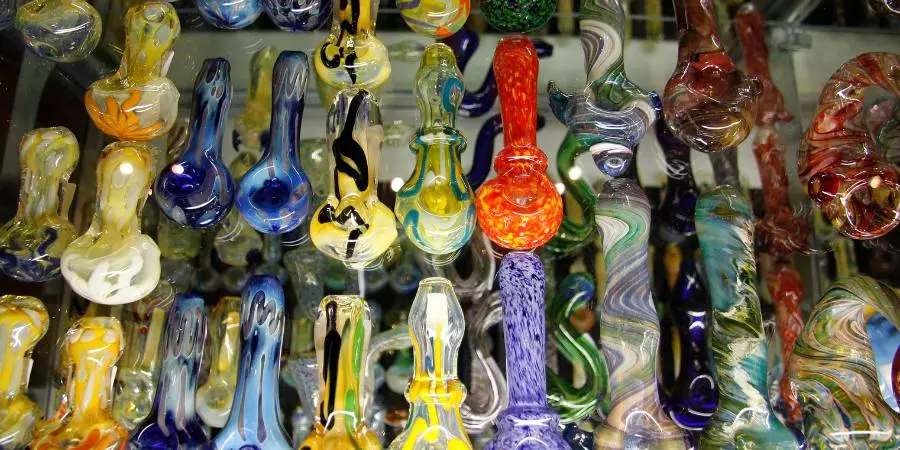
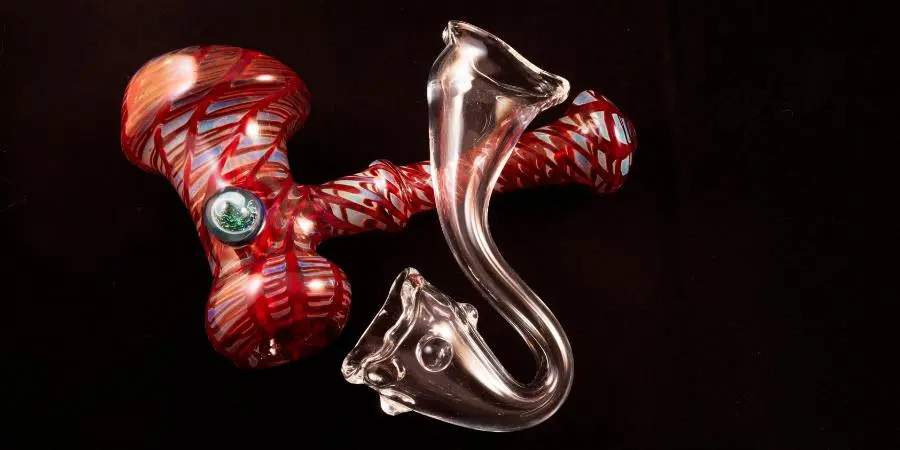
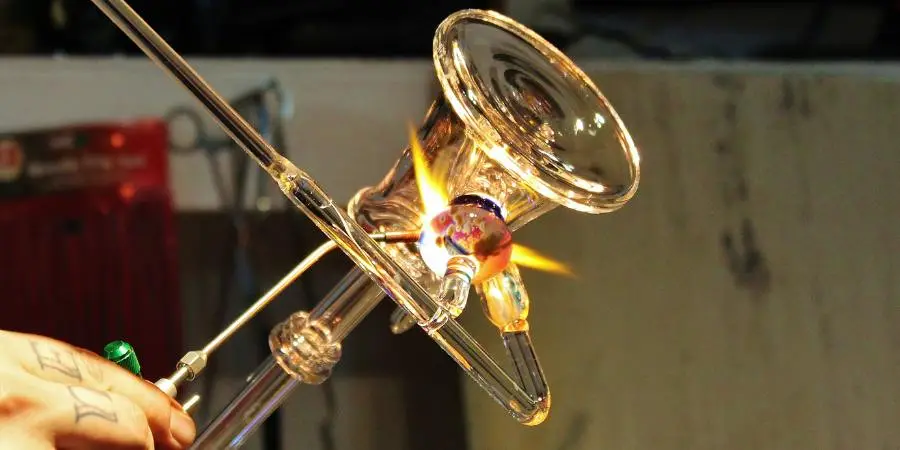
This guide offers a buying checklist for adult collectors and shoppers. The photographs illustrate styles and construction; they do not establish comparative quality or test results.
Start with the maker and materials
Ask who made the piece, where it was made and which glass was used. A retailer’s location or an American brand name does not necessarily tell you where the product was manufactured. Request clear photos of the exact item, including its base, joints and any maker’s mark.
Borosilicate is a useful material detail to verify. Glass manufacturer SCHOTT describes its resistance to thermal shock. That material property does not certify the quality of an entire finished piece or make it unbreakable. Treat unsupported claims such as “premium,” “medical grade” or “indestructible” as questions for the seller.
Avoid assuming that imported glass contains lead or that domestic glass is automatically contaminant-free. Ask for product-specific material information and relevant testing when a seller makes a purity or safety claim.
What a Made in USA claim tells you
The FTC’s Made in USA guidance says an unqualified claim generally requires a product to be all or virtually all made in the United States. Qualified wording can describe a more limited connection, such as U.S. assembly with imported components. Read the complete claim rather than relying on a flag graphic or the seller’s address.
Origin and craftsmanship answer different questions. A named local artist may offer direct communication, custom work or repair options that you value. An imported piece may also come from an identifiable artist or established manufacturer. Ask how the piece was made instead of treating every imported product as mass-produced.
The original article included this perspective from Chris Piazza at CannaDevices about supporting domestic glass artists:
According to Chris Piazza at CannaDevices, “Growers and glassblowers have built the cannabis industry, and there was a time when you knew a glassblower; they knew a grower and vice versa. The American glassblower is a vital part of the heart of the cannabis industry.
While they have been forgotten, mainly due to the inability to scale like grow operations can, buying an American-made pipe supports the true core of the cannabis movement.”
Inspect the piece before comparing prices
- Look for visible chips, cracks, rough edges and poorly aligned connections. Ask the seller about anything unclear in photographs.
- Check whether the base is stable and the shape fits the available storage space.
- Confirm the dimensions and compatibility of removable parts rather than assuming they are universal.
- Ask how the piece should be cleaned and whether replacement parts or repair services are available.
- Read the shipping-damage, return and warranty terms before purchase. Check whether using the piece changes return eligibility.
A complicated design is not automatically a better fit. Consider whether you can handle, store and maintain it comfortably. Do not interpret filtration claims or a smoother sensation as proof that smoking is safe.
Compare total cost and seller support
Use the same checklist for both options. Note the item price, delivery cost, included accessories, replacement-part availability and return terms. Ask what explains a higher price: original artwork, a custom commission, material specifications, documented manufacturing work or ongoing support.
Set your budget before browsing. If the seller cannot answer basic questions, a lower price may not make the purchase worthwhile. A higher price is also not evidence of better construction without details to support it.
Durability and resale need evidence
There is no universal lifespan for a glass piece. Condition, construction, handling and the maker’s care instructions matter. Ask what a warranty actually covers; accidental breakage and shipping damage may be treated differently.
If collectibility matters, keep the receipt, artist information and documentation of any edition or commission. Do not buy on a promise that American-made glass will appreciate. Compare completed sales for comparable work rather than asking prices, and choose a piece you would still value if you never resold it.
Check environmental and labor claims
Ask a maker about materials, packaging, repairability, production location and working practices. Country of origin alone is not enough to compare the environmental footprint or labor conditions of two products. Give more weight to specific, documented practices than broad “green” or ethical branding.
Choose for your priorities
Choose a documented maker, a piece that suits your budget and a seller who can answer questions. Supporting an American glass artist can be a worthwhile personal priority. It should accompany the same checks you would apply to any purchase.
Shopping for someone else? Our cannabis-themed gift guide by recipient and budget includes ideas beyond glass when you are unsure of their preferences.
Editorial update, October 9, 2026: Revised to replace broad claims about national origin, safety and resale value with product-specific buying criteria. The original contributor quotation and selected photographs are retained.



Pingback: Why American Made Glass Is The Best Material For Your Bong - Slyng
Pingback: How American Made Glass Bongs Compare to Imports: A Comprehensive Guide - Slyng