

Schedule III Executive Order: What It Means for Medical Cannabis Patients
Table of Contents
On December 18, 2025, the White House published an Executive Order titled “Increasing Medical Marijuana and Cannabidiol Research.” It directs the Attorney General (and relevant agencies) to “in the most expeditious manner in accordance with Federal law” to complete the federal process to place marijuana in Schedule III, while also pushing for clearer rules around legal CBD and better research (including real-world evidence).
Jason Adelstone, a cannabis attorney at Harris-Sliwoski, put it plainly in our interview: “Pretty much schedule three as far as consumers go on state legal markets, absolutely nothing has changed.”

What This Announcement Does And Does Not Do
The Executive Order is a directive to speed up a federal process. It is not a magic switch that makes dispensary products “federally legal” overnight. The rescheduling change only becomes real when the government completes the Controlled Substances Act rulemaking steps (or uses another lawful rescheduling pathway) and the change takes effect.
Rescheduling also isn’t the same thing as legalization. Even if marijuana moves to Schedule III, state dispensary systems don’t automatically become federally lawful, and cannabis products sold in state programs do not become FDA-approved medications just because the schedule changes.
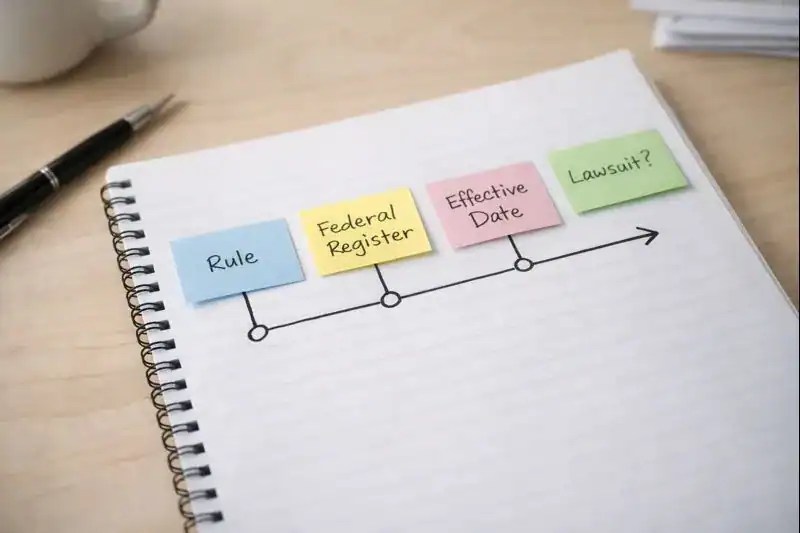
When Would Schedule III Actually Start?
If you’re a patient, this is the question you’re already hearing everywhere: “Okay, so when does it start?”
Adelstone’s honest answer was: “The timing is really up in the air.” That’s because there are multiple procedural paths, and litigation could slow things down.
Here are the consumer-friendly possibilities:
Path 1: “Fastest” — A Direct Attorney General Move
Adelstone described a fast route that hinges on the Attorney General using authority tied to treaty compliance under the Controlled Substances Act. The key point for patients: this is the pathway that could make Schedule III happen quickly if the administration chooses it.
Path 2: “Most Likely” — DEA Final Rule + Federal Register + 30 Days
The more traditional route is: DEA publishes a final rule and it becomes effective after a set period (generally 30 days after publication). That approach tracks with how the federal rescheduling process has been described by policy researchers and how the prior proposed rule was handled.
Path 3: “Slow/Unlikely” — Administrative Hearing Drama
Adelstone noted the administrative hearing track is a long shot and not the “most expeditious” approach.
Why Lawsuits Matter So Much
If a final rule drops, opponents may sue and ask a court to pause (stay) the change. If a stay is granted, Schedule III could be delayed until litigation ends; if not, Schedule III could take effect while lawsuits continue. (This is one of the reasons you’ll see timelines online that later change.)
Does This Make Medical Cannabis Federally Legal?
No.
I asked Adelstone for the plain-English version. His response was direct: state-legal operators (medical and adult-use) remain federally illegal because these products are not FDA-approved drugs and the federal-state conflict remains. That matches what policy experts have emphasized: rescheduling alone doesn’t resolve the legality of state markets for consumers.
Adelstone’s bottom-line warning to consumers was:
“Do not travel with it. Do not go on planes with it.”
That’s not fearmongering. Air travel is governed by federal law, and federal agencies explicitly state cannabis remains illegal under federal law (with limited hemp-derived exceptions).
What Still Doesn’t Change for Patients
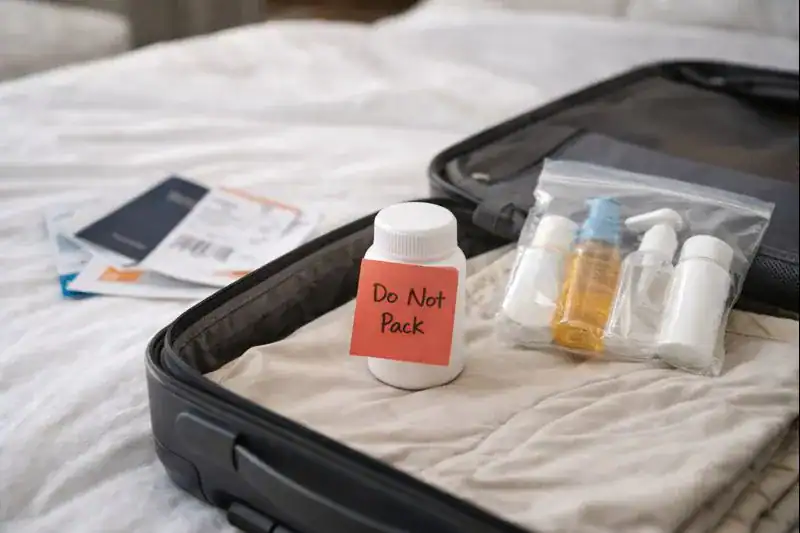
Flying, Airports, and TSA
TSA’s own guidance is clear that marijuana remains illegal under federal law, with limited exceptions for certain FDA-approved or hemp-derived products meeting federal requirements. If TSA finds suspected illegal drugs, they may refer the matter to law enforcement.
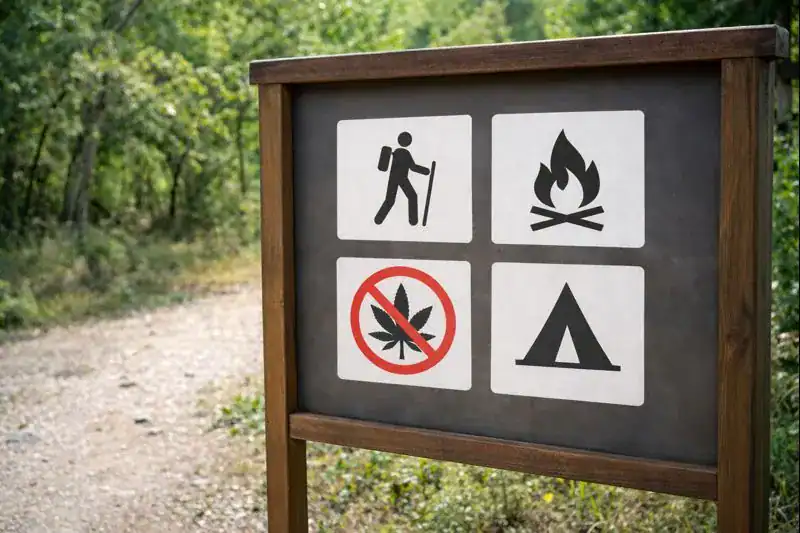
Federal Land and Federal Property
Even in states with legal programs, federal land is federal law. The National Park Service explicitly prohibits marijuana possession/use in park units, and the U.S. Forest Service states cannabis is illegal on National Forest System lands.

Federally Assisted Housing
HUD guidance has consistently stated that public housing agencies cannot treat state-legal medical marijuana as an allowable accommodation because it remains illegal under federal law.
Immigration Status (If You’re Not a U.S. Citizen)
If you’re a visa holder, green card holder, or applying for naturalization, marijuana can create serious risk. USCIS has published policy guidance explaining how federal controlled-substance law can affect eligibility and “good moral character” determinations. Independent immigration resources also commonly advise extreme caution.
Gun Ownership
Federal firearms rules and forms treat unlawful users of controlled substances as prohibited persons. ATF has issued guidance about medical marijuana cardholders and firearms transactions, and ATF materials outline prohibited-person categories under federal law.
We are also working on updating our gun rights guides for you.
Drug Testing (Especially DOT-Regulated Jobs)
If you’re in a safety-sensitive role, don’t assume rescheduling changes testing rules. Department of Transportation (DOT) guidance and employer compliance commentary around rescheduling emphasize that drug testing requirements remain in force unless and until regulations change.

Will Doctors Be Able to Prescribe Cannabis Now?
Not automatically.
The simple reason: prescribing is tied to FDA-approved drugs. Rescheduling may reduce research barriers, but it does not instantly convert dispensary products into FDA-approved, prescribable medications.

Will Insurance, Medicare, or Medicaid Cover It?
This is where patient hopes are very understandable, and where expectations need to stay realistic.
The Executive Order talks about improving evidence and models, and major coverage outlets have reported the administration framing research expansion and CBD access as a public-health focus.
But coverage programs typically require an FDA-approved drug or participation in an approved clinical framework. Adelstone summarized it cleanly:
“As of now, for anything really to be covered under Medicare and Medicaid, it has to be an FDA-approved drug or a trial or something involved in the FDA process.”
So the “watch list” here isn’t a dispensary change; it’s whether FDA issues a credible pathway for cannabis-derived/botanical products and whether research access actually expands.
Will Dispensary Prices Drop or Products Change?
In most states, probably not right away.
Rescheduling alone doesn’t create interstate commerce for dispensary cannabis, and state markets remain siloed. Policy analysts have noted that consumer-facing changes are limited without broader federal reforms.
That said, one downstream change could affect pricing over time: IRS Code Section 280E.
280E, Explained For Patients
Section 280E denies normal business deductions to businesses trafficking Schedule I or II substances. Courts and tax policy groups have long noted how this can dramatically raise effective tax burdens for state-legal cannabis operators.
If marijuana actually moves to Schedule III, 280E’s Schedule I/II limitation no longer applies in the same way. The Federal Register’s proposed rescheduling rule explicitly discusses this consequence.
Adelstone described the lived reality: some operators have faced shockingly high effective tax rates because they can’t deduct standard expenses. If 280E pressure eases, some businesses may reinvest, some may lower prices, and some may simply stabilize, so patient pricing outcomes will vary by state and company.

What About Full-Spectrum CBD and Hemp Products?
The Executive Order explicitly calls out legal CBD products and pushes for “affordable access” and better research models, including long-term health effects in vulnerable populations.
It also signals Congressional involvement around hemp definitions and product safety, which is an area that mainstream coverage flagged as part of the announcement.
Adelstone’s consumer takeaway was that the likely Congressional “fix” is aimed at real manufacturing/legal definition problems for certain CBD inputs, not necessarily a return to a wide-open intoxicating hemp marketplace.
What You Should Do Right Now
If you’re a medical cannabis patient, here’s the safest, least political, most practical approach:
- Assume federal rules are unchanged today. Don’t fly with cannabis; don’t bring it onto federal land; don’t treat a medical card as a federal shield.
- If you’re in federally assisted housing or a DOT-regulated job, be extra cautious. Those systems typically follow federal rules first.
- If you’re not a U.S. citizen, treat cannabis as an immigration risk unless an immigration attorney tells you otherwise.
- Watch for three kinds of updates: a final rule (or alternate AG action), whether lawsuits produce a stay, and whether FDA/HHS guidance creates a real medical pathway for standardized products.

The Bigger Picture (Why This Still Matters)
Even if “nothing changes tomorrow” for your dispensary routine, rescheduling can matter socially and medically over time. The DEA’s own scheduling framework draws a bright line between Schedule I (“no accepted medical use”) and Schedule III (recognized medical use with lower abuse potential than I/II). That shift alone can change research momentum, clinical conversations, and stigma.
Adelstone’s closing perspective is worth keeping in mind if you feel whiplash from the headlines:
“This move is a very long-term strategy… [and] is going to fundamentally change how people talk about marijuana and how it is viewed in society.”
